On Friday, 17 April 2026, the Slovenian Forestry Institute (SFI) hosted a delegation from the Chinese Academy of Forestry (CAF). The visit was organised within the framework of strengthening bilateral cooperation between SFI and CAF, as well as through the activities of the TRANSFORMIT project.
The programme opened with welcome addresses by representatives of the Slovenian Forestry Institute, the Chinese Academy of Forestry, and the Slovenia Forest Service. Participants were introduced to the activities and research areas of SFI and discussed opportunities for further scientific and professional cooperation between the institutions.
The meeting continued with expert presentations on sustainable forest management, forest restoration under changing environmental conditions, forest monitoring, and the bioeconomic aspects of forestry. Attention was given to the TRANSFORMIT project and to the exchange of knowledge and experience between Slovenian and Chinese partners.
Prof. Zheng Yongqi presented the upcoming International Workshop on Integrated Forest Management and Biodiversity Conservation (IFM), which will take place in Beijing from 15–17 July 2026. The presentation also included planned field visits scheduled for 18–20 July 2026 to the Bawangling National Nature Reserve in Hainan Province or the Liangshui Experimental Forest Farm in Heilongjiang Province.
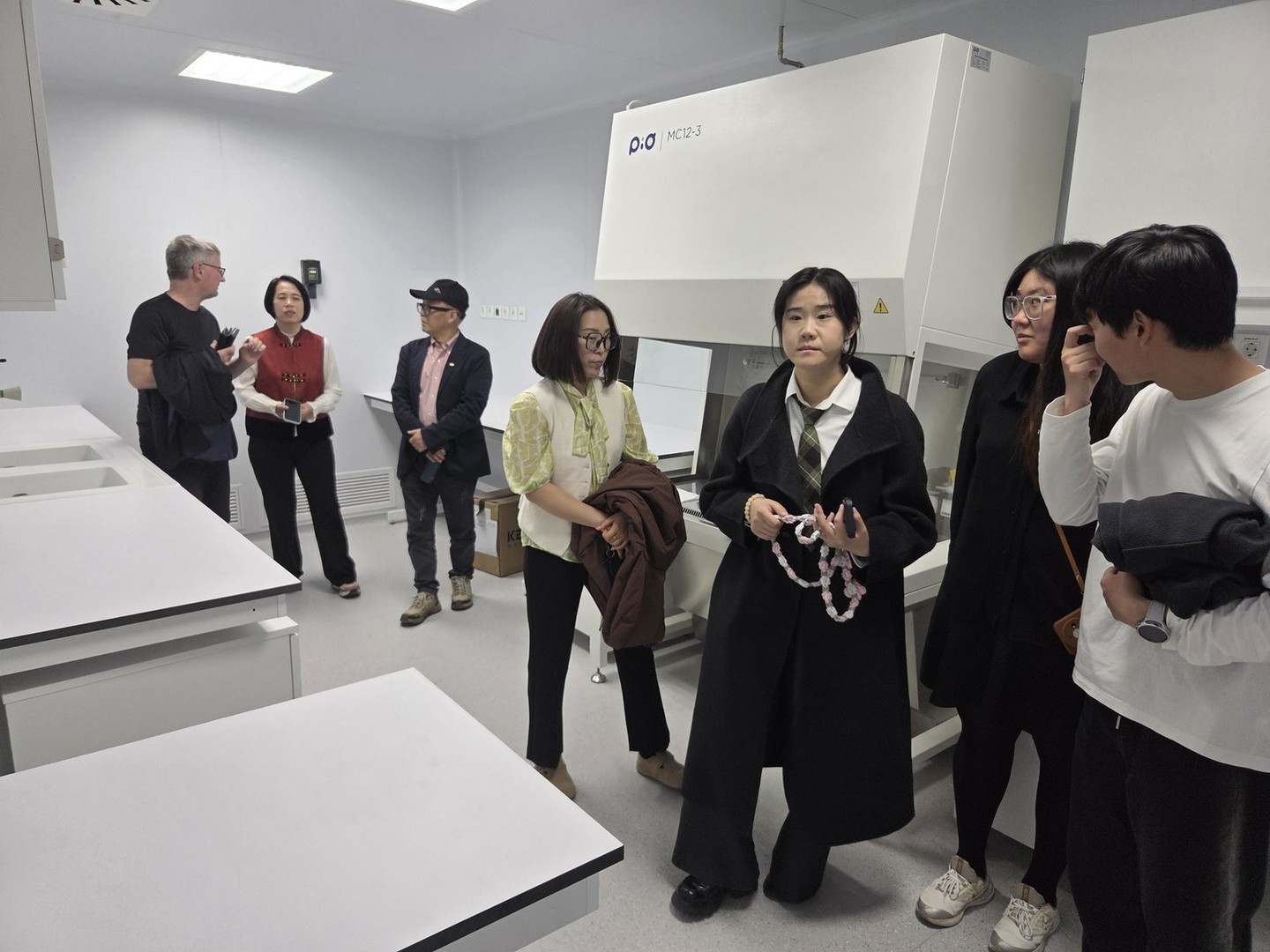
The delegation visited the new Centre for Forest Seed Management, Nursery Production and Forest Protection at the Slovenian Forestry Institute, where they were introduced to the Institute’s research and professional activities related to forest reproductive material, nursery production, and forest health.
On Saturday, 18 April 2026, a field day was organised in the Gorenjska region in cooperation with the Slovenia Forest Service.
The programme began at the intensive forest monitoring plot (IM, ICP Forests Level II) at the Brdo estate, where participants were introduced to the methodology used for monitoring forest condition in Slovenia within the international ICP Forests programme.
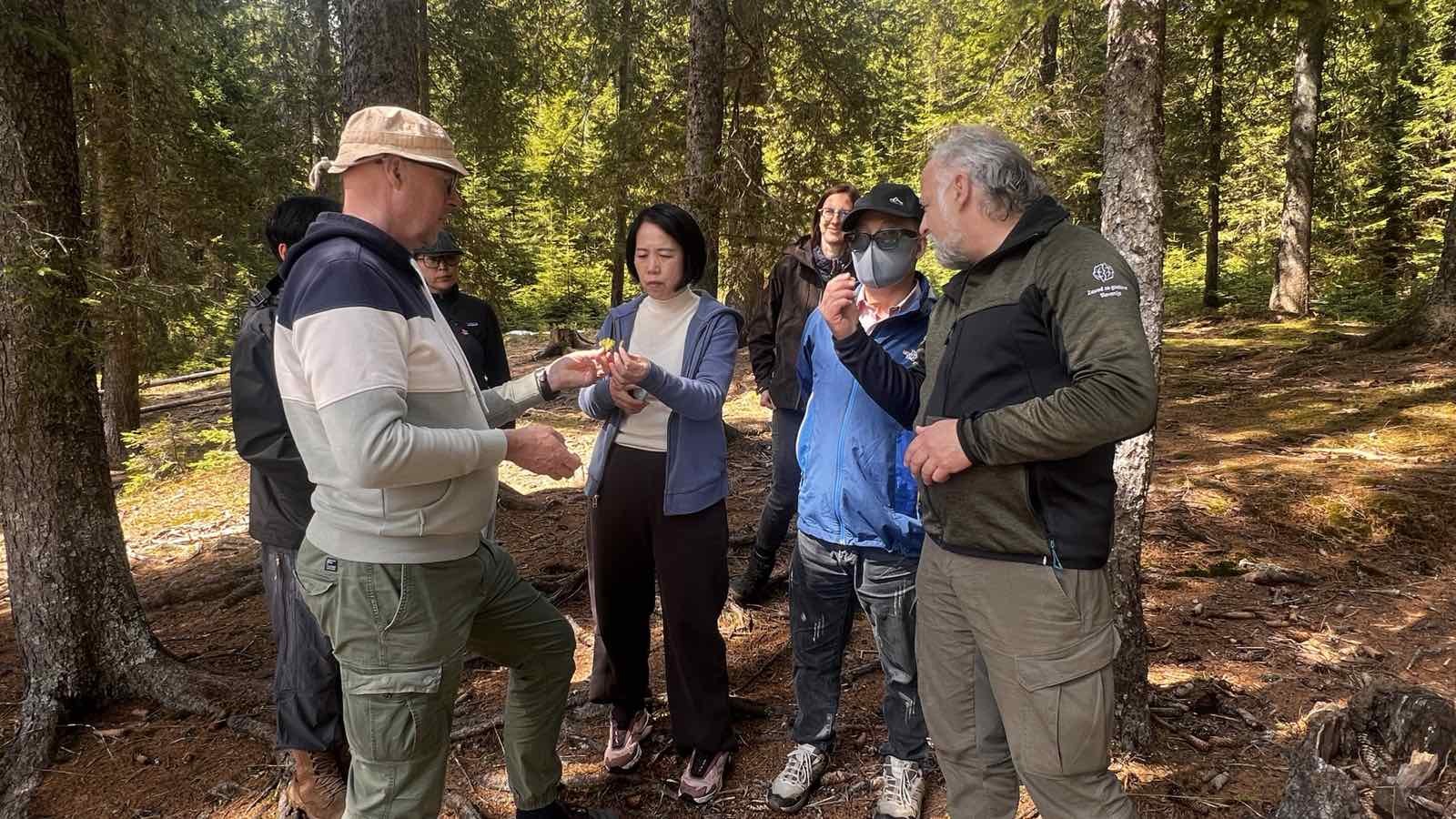
The next stop was Pokljuka, at the Mrzli Studenec site near the Slovenia Forest Service facilities, where participants were presented with the forest management plan for the area and took part in practical work using a marteloscope. The visit provided insight into modern approaches to forest management planning and decision-making.
This was followed by a visit to forest areas damaged by the severe windstorm that occurred earlier in March. Discussions focused on forest restoration measures and on strategies for adapting forests to natural disturbances and the impacts of climate change.
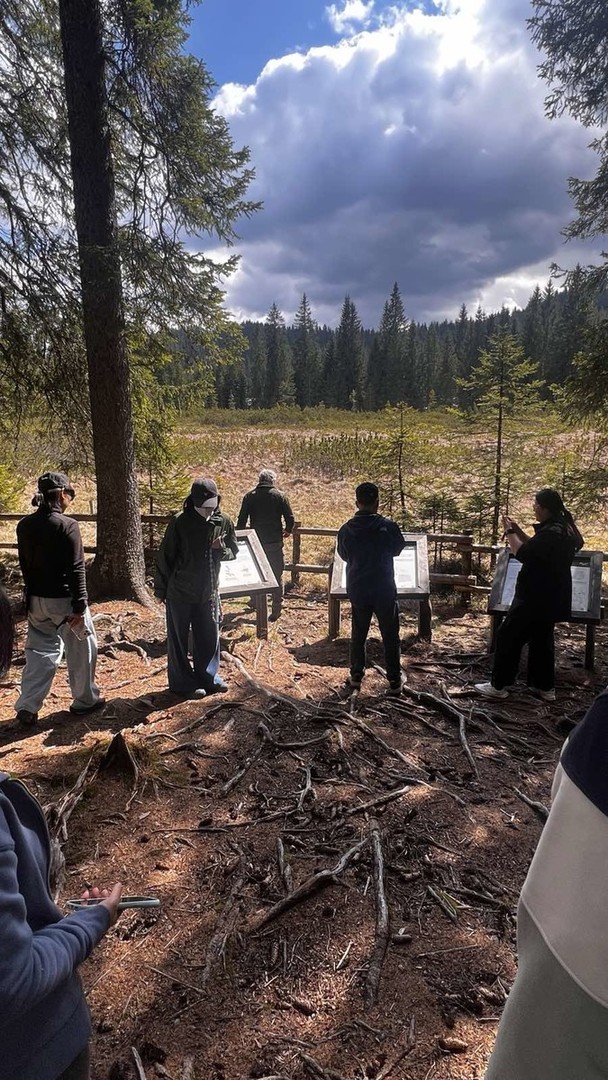
The field programme concluded with a visit to the Goreljek peat bog in Triglav National Park. Participants learned about the characteristics of this raised bog, considered one of the southernmost peat bogs of its kind in Europe. Presentations highlighted the processes of peat formation following the last glaciation, the ecological importance of peat mosses, and the conservation value of these sensitive wetland habitats.
The meeting once again highlighted the importance of international cooperation in addressing the challenges related to climate change, forest protection, and the sustainable management of natural resources.

Photo 1: Meeting room at the Slovenian Forestry Institute, participants of the meeting (A. Simčič)